
‘The Greatest Books of Ancient India’ introduces young readers to a selection of shastras
GN Bureau | May 31, 2026

The Greatest Books of Ancient India: Incredible Ideas about Science, Music, Maths, Art and More
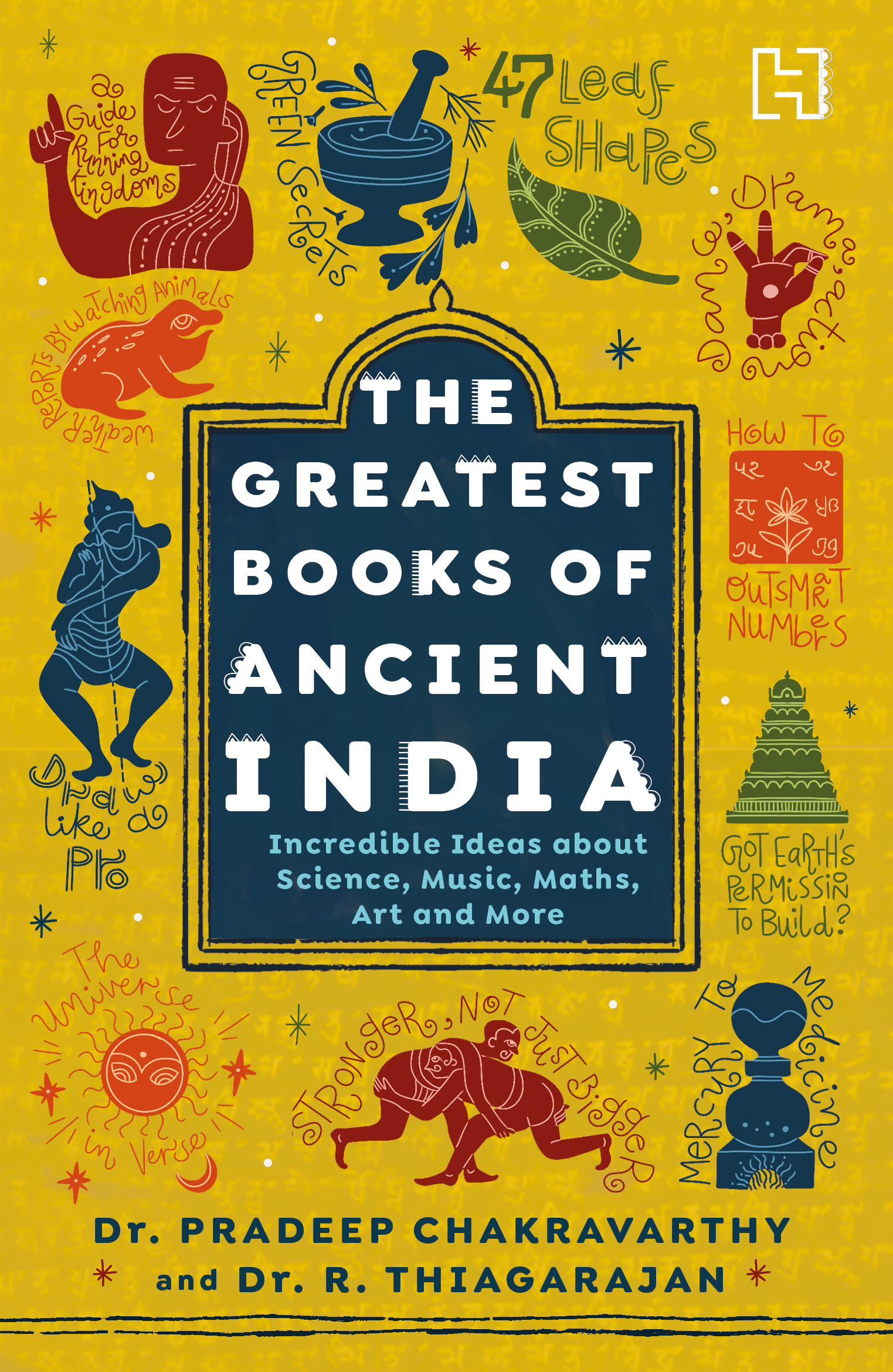 The ‘Indian Knowledge System/s’ (IKS) is the buzzword in academia. The New Education Policy has emphasized it. Universities and colleges are hastily designing courses around it. A premier university, for example, has offered a course that introduces students to fifteen shastras, ranging from Chikitsashastra, Vanaspatishastra, Rasayanshastra, Sangitashastra, nrityashastra, Vaimanikashastra, Ashwashastra, Gajashastra, Chhandashastra, Niruktashastra and Vyakaranashastra. That ancient India had great scholars of grammar and etymology is well known. Many would have also known that this land had produced experts in the fields of medicine, music and dance. But, the fact that there were scholarly treatises on chemistry and elephants or horses were also subjects of erudite studies may come as a surprise.
The finance ministry on Friday announced a series of measures aimed at enhancing the ease of investment for individual Persons Resident Outside India (PROIs) and Foreign Portfolio Investors (FPIs), and to attract stable long-term foreign capital flows. Building on the recent in
Majuli Island, perched between the Brahmaputra River to the south and east, the Subansiri River to the west, and a branch of the Brahmaputra to the north, has been severely affected by recurrent flooding and intense riverbank erosion. Despite its global importance in acquiring UNESCO tentative status for
Time can never mend, the careless whispers of … As the RBI marches ahead, for the upcoming monetary policy meeting this June, whispers from the corridors echo around several policy options to defend the rupee – by deploying forex reserves, raising in
A major engineering milestone has been achieved in the Mumbai–Ahmedabad Bullet Train Project with the successful breakthrough of the third mountain tunnel (MT-07) at Ambesari village in Dahanu Taluka of Palghar district, Maharashtra. With this achievement, three mountain
Five new judges were appointed to the Supreme Court of India on Monday. "Vide Notifications of even number dated 01.06.2026, in exercise of the powers conferred by clause (2) of Article 124 of the Constitution of India, the Hon’ble President of India is pleased to appoint (i) Shri
India is heading into the southwest monsoon season this year under the shadow of a rapidly strengthening El Nino, with meteorologists warning that the climate phenomenon could significantly disrupt rainfall patterns, intensify heat stress and place additional pressure on the country’s agriculture-d





